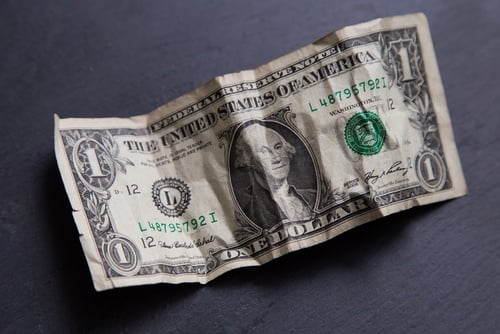
How many times have you stood in front of a vending machine trying to get it to accept your dollar bill? Probably more than you care to admit. We understand your frustration. Any cashier would gladly accept the same dollar bill, so why won't the vending machine take your money? The answer is at once complicated and simple, and lies in how the dollar bill validator works.
Unlike coins, which are easy for vending machines to differentiate due to size and weight, dollar bills need to be 'read'. That means some pretty high-tech equipment has to get its eyes on the bill and decide two things: a) determine if it's real or counterfeit, and b) the denomination of the bill. Doesn't sound like a lot, but it's quite a responsibility for such a small device.

A (Very) Brief History of Bill Validators
The first bill validators date back to the 1960's when a division of Mars (the makes of M&M's, Mars bars, and other well-known candy) created technology that used a magnetic head to read the magnetic ink that was printed on currency. It wasn't a bad idea and worked fairly well, except that the equipment would get clogged from all the dirt and grime over time, leading to an inability to read the bill. Needless to say, bills were rejected back in the day far more than they are now.
Advancements in technology have improved the accuracy of bill validators since those early days to nearly 100%. Instead of magnetic heads, they use photocells to detect the various shades of ink on a given bill. They read the difference in ink on the bills you put into the snack or soda vending machine and are able to determine if the bill is fake and what denomination it is. Still, these pieces of equipment can experience wear and tear, leaving room for it to reject a bill that's a little too faded or wrinkled.
The Different Reasons Your Bill Was Rejected
Dirty Money
We don't mean illegal money. We're talking actual yuck on the bill itself. Money can travel a long way, and during the course of its travels it picks up plenty of grime, from dirt to skin oils. So that Coke vending machine that's been in your office for years will eventually build up dirt on the validator, preventing the photocells to read your bill.
Worn-Out Belts
Dollar bill validators on vending machines have a bunch of tiny parts. They can get worn out over time, especially the belts that grip your dollar and pull it through. Kind of like the belts in your car, only on a much smaller (and less frustrating) scale.
Insufficient Change
If you're trying to insert a bill into a vending machine that doesn't have enough coins to give you the proper change, it will reject the money.
Perhaps more frustrating than a rejected dollar bill is when a vending machine steals your money. If your vending company stays on top of service problems, the issues will be few and far in between. 
Frequently Asked Questions About Vending Machines
Why do vending machines sometimes reject dollar bills?
Vending machines reject dollar bills when their bill validators cannot properly read the bill. This can happen if the bill is dirty, wrinkled, faded, or counterfeit, or if the machine's internal parts are worn out or malfunctioning.
How do vending machines determine if a bill is real or counterfeit?
Modern vending machines use photocells to detect various shades of ink on a bill. These sensors analyze the bill's ink patterns to verify its authenticity and determine its denomination.
What was the technology used in the first bill validators?
The first bill validators, developed in the 1960s, used a magnetic head to read the magnetic ink printed on currency. However, this technology was prone to clogging from dirt and grime, causing frequent bill rejections.
Can dirty money cause a vending machine to reject a bill?
Yes, dirt, grime, and oils accumulated on bills can prevent the vending machine's photocells from reading them correctly, leading to rejection.
What role do worn out belts play in bill rejection?
Worn out belts inside the bill validator, which grip and pull the bill through the machine, can malfunction over time and cause the machine to reject bills.
Why would a vending machine reject money due to insufficient change?
If the vending machine does not have enough coins to provide proper change, it may reject the inserted bill to avoid a transaction it cannot complete correctly.
How can vending companies reduce issues with rejected bills?
Vending companies that stay on top of service and maintenance problems can minimize issues with rejected bills, ensuring the machines function properly and reduce customer frustration.