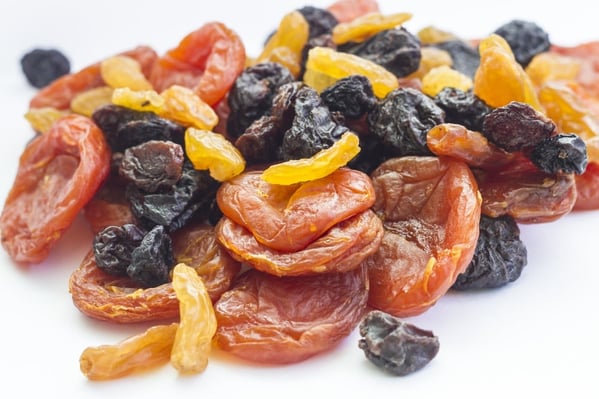
 Dried fruit is a common item in vending machines, especially when healthy snacks are requested. Most people assume dried fruit is good for you because, well, it's fruit! But is it healthy? Some argue it is, while others swear it's nothing more than candy. The answer, however, is not as simple as a 'yes' or a 'no.'
First, Is Dried Fruit Actually Fruit?
Yes.
Dried fruit is fruit that's had most of the water content is removed from it, either naturally, or through a dehydration process. The most common types include:
- Raisins
- Dates
- Figs
- Prunes
- Apricots
There are other varieties, such as mangoes, bananas, pineapples, and apples, but they're often coated in sugar prior to the drying process. This is where things get a little gray in respect to whether or not dried fruit is healthy for you.
The Good, The Bad & The Tasty
Dried fruit is packed with micro-nutrients, fiber, and antioxidants. In fact, the dehydration process causes some nutrients to become more concentrated.
According to a 2005 study in the Journal of the American College in Nutrition, antioxidants in dried cranberries, grapes, and plums are twice as potent as those in the fresh fruits.
But what makes dried fruit unhealthy is when it's dowsed in sugar. For example, one cup of fresh cranberries has 4 grams of sugar, while a cup of dried cranberries contains up to 70 grams. You might get plenty of antioxidants, but you'll also consume way too much sugar, and too much sugar is bad for you.
The good news is that there are healthier dried fruits, so even if you bought a pack from your office vending machine, it likely contains a good mix.
The Healthiest Dried Fruit:
Raisins are high in fiber and contain many vitamins and minerals.
Prunes, which are dehydrated plumbs, are also high in fiber as well as potassium.
Dates are also a good source of potassium, an essential mineral that helps build muscle and regulate your blood pressure.
Bottom Line:
Dried fruit can be good for you, as they're full of essential vitamins and minerals. Just pay attention to how much sugar they contain.
Frequently Asked Questions About Dried Fruits
Is dried fruit actually fruit?
Yes, dried fruit is real fruit that has had most of its water content removed either naturally or through dehydration. Common types include raisins, dates, figs, prunes, and apricots.
What makes some dried fruits less healthy than others?
Dried fruits that are coated or doused in sugar before or after drying contain much higher sugar levels, which can make them less healthy despite their nutrient content.
Are dried fruits nutritious?
Dried fruits are packed with micronutrients, fiber, and antioxidants. The dehydration process can concentrate some nutrients, making antioxidants in dried fruits like cranberries and plums more potent than in fresh fruit.
Which dried fruits are considered the healthiest?
Raisins, prunes, and dates are among the healthiest dried fruits. Raisins are high in fiber and vitamins, prunes provide fiber and potassium, and dates are a good source of potassium.
How does the sugar content in dried fruit compare to fresh fruit?
Dried fruit can have significantly more sugar than fresh fruit. For example, one cup of fresh cranberries has about 4 grams of sugar, while a cup of dried cranberries can contain up to 70 grams.
Can dried fruit from vending machines be a healthy snack option?
Yes, many office vending machines offer dried fruit packs that contain a good mix of healthier dried fruits, making them a nutritious snack choice if you watch the sugar content.
What is the bottom line about eating dried fruit?
Dried fruit can be good for you because it contains essential vitamins and minerals, but it is important to pay attention to the amount of added sugar to maintain its health benefits.